
문화기술콜로키움 - 안준 작가 [2025/03/11]
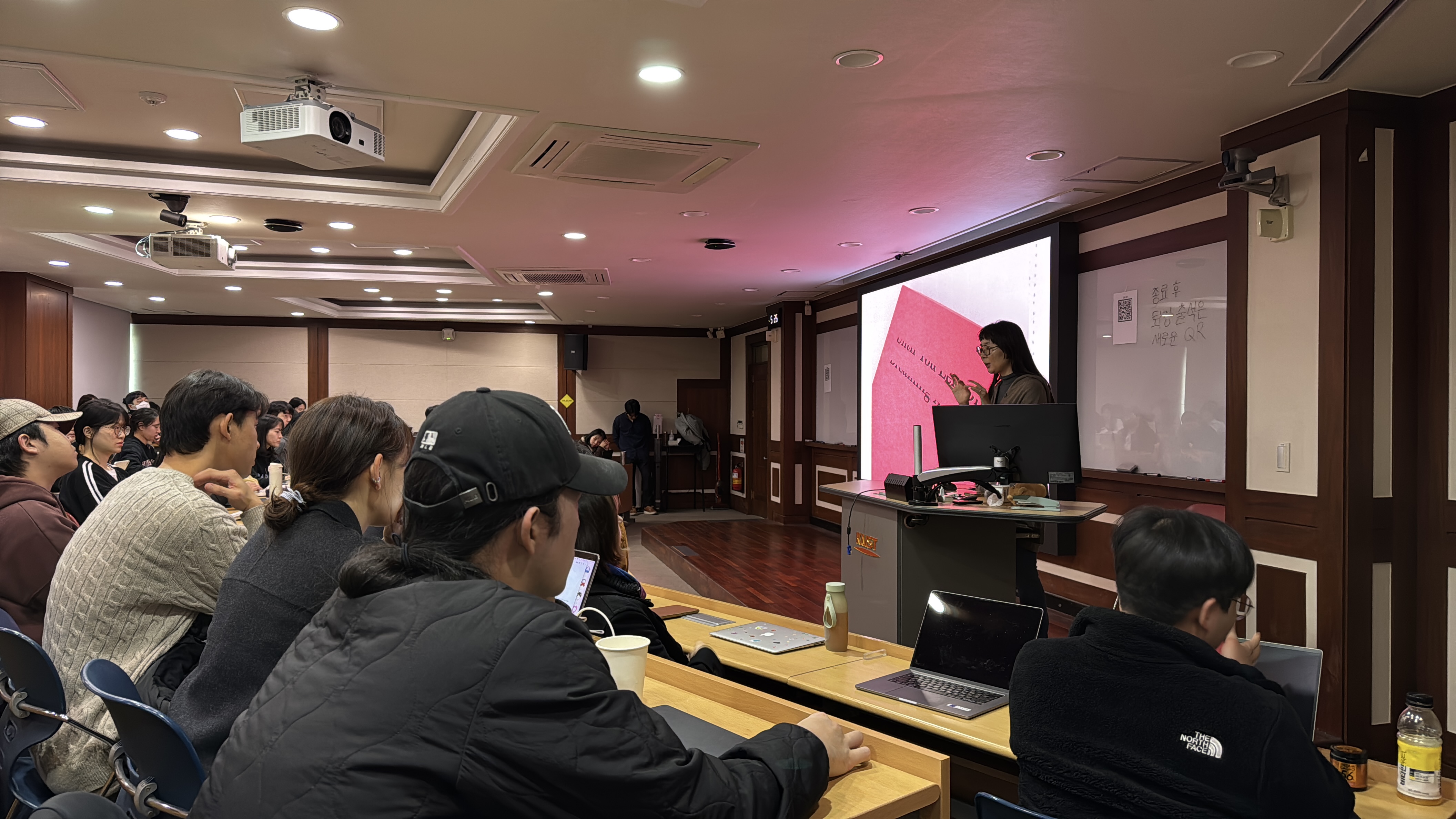

안준의 "신경계: Good Morning, John을 통해 그리는 Text-to-Image 플랫폼 차단어 연구"는 AI 이미지 생성 기술의 형식적, 미학적, 윤리적 의미를 탐구하는 작업이다. 작가는 인간이 기계와 기억을 공유하고 있음을 전제로, AI 학습 데이터셋의 문화적·역사적 맥락을 분석한다. 작업 "Good Morning, John"은 백남준의 "Good Morning, Mr. Orwell"을 오마주하며, AI 이미지 생성기의 양면성을 탐색한다. 특히, 마이크로소프트 Bing Image Creator(현 Copilot)의 차단어인 ‘yourself’와 ‘god’을 우회해 생성한 이미지들을 통해 AI의 자기 재현 방식과 데이터셋의 윤리적 문제를 비판적으로 조명한다. "John"이라는 이름은 AI 개념을 최초로 언급한 존 매카시(John McCarthy)에서 따왔으며, 이는 AI의 의인화된 ‘자화상’을 의미한다. 작가는 텍스트 명령어(프롬프트)를 활용해 AI 이미지의 사진적 특성을 연구하며, 이를 단순한 그래픽이 아닌 ‘디지털 합성사진’으로 재정의한다. 또한, 차단어 우회 과정에서 프롬프트 해킹과 제로샷 세팅 등의 개념을 예술적 실천으로 활용하며, AI의 자기 재현과 인간의 인식 사이의 간극을 시각화한다. 이를 통해 AI의 데이터셋과 규제의 불투명성을 비판하며, AI 기술이 단순한 도구를 넘어 창의성과 인간성의 본질에 대한 근본적 질문을 던지는 매개체로 작용할 가능성을 탐구한다.
Jun Ahn's "The New Threshold: A Study of Text-to-Image Platform Censored Words Through <Good Morning, John>" explores the formal, aesthetic, and ethical implications of AI-generated images. The artist examines the cultural and historical contexts embedded in AI training datasets, based on the premise that humans already share memory with machines. The project "Good Morning, John" pays homage to Nam June Paik's "Good Morning, Mr. Orwell," highlighting the dual nature of AI image generation. In particular, it examines Microsoft Bing Image Creator (now Copilot) and its censorship of words like "yourself" and "god," bypassing these restrictions to generate photographic images. Through this, the project critically investigates how AI visualizes itself and raises ethical questions regarding datasets. The name "John" refers to John McCarthy, who first introduced the term "artificial intelligence" at the 1956 Dartmouth Conference, symbolizing an AI's self-portrait and its metaphorical greeting to its creator. The artist explores the photographic nature of AI-generated images using text prompts, redefining them as "digital composite photographs" rather than mere graphics. Additionally, by employing techniques such as prompt hacking and zero-shot settings as artistic practices, the project visualizes the gap between AI’s self-representation and human perception. Through this, it critiques the opacity of AI datasets and regulatory frameworks, ultimately questioning whether AI technology can function not just as a tool but as a medium that raises fundamental inquiries about creativity and human nature.